Skip to content
drivecostalpha

Informational only. Drivecost Alpha publishes general vehicle ownership budgeting content for informational purposes only. It is not an insurance company, carrier, agent, broker, or marketplace, and its content does not constitute insurance, legal, or financial advice.

Ownership costs

What goes into the cost of owning a vehicle

Owning a vehicle involves more than a monthly payment. These six categories make up most of the real cost.

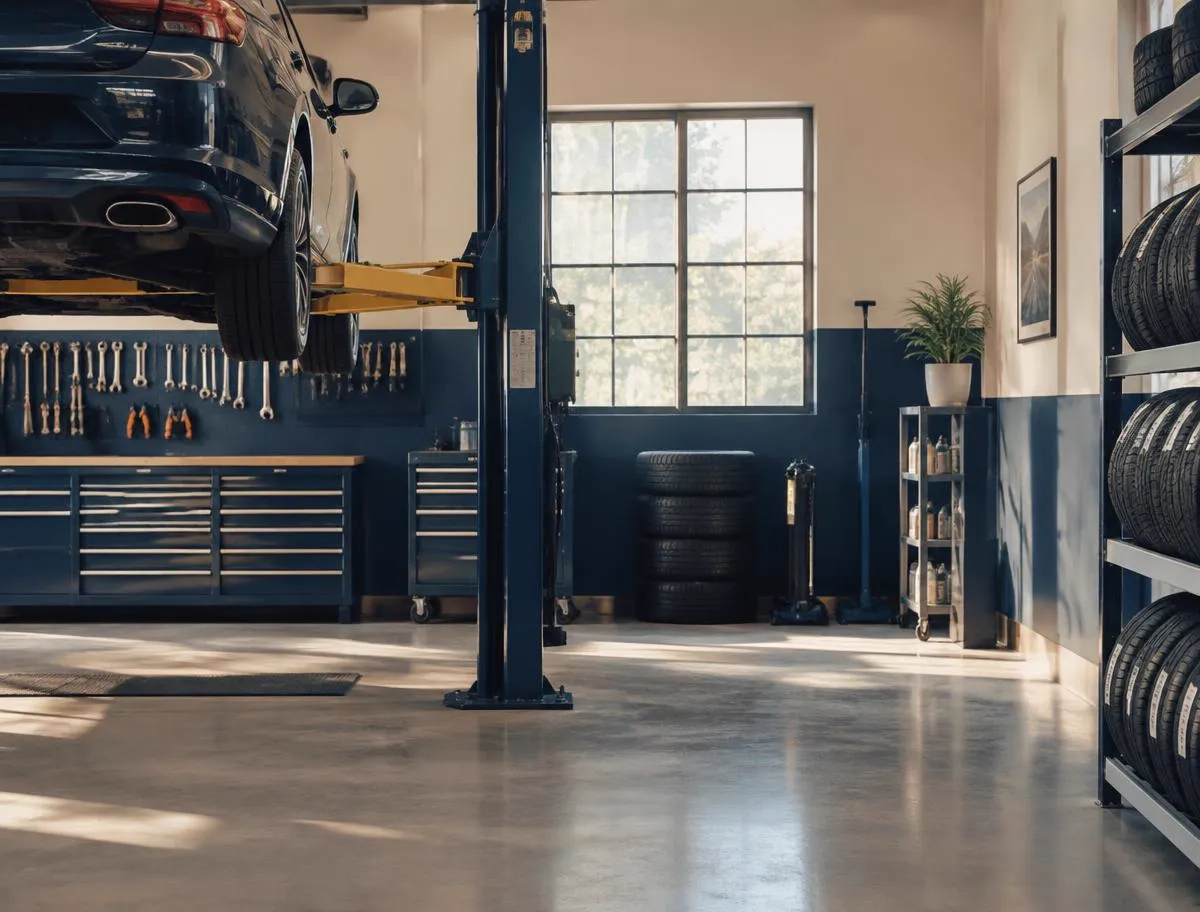
A clean repair garage with a car on a lift and tires on shelves

Fuel or charging spending

Fuel is usually the most frequent vehicle expense. Tracking it by month shows how commute length, driving style, and seasonal changes shift your budget.

  • Record every fill-up or charging session with the date and odometer reading.
  • Divide monthly miles by average miles per gallon to estimate future spending.
  • Review the total each quarter instead of reacting to single price changes.

Routine maintenance

Oil changes, tire rotations, filters, brakes, and fluids follow predictable schedules listed in your owner's manual, which makes them easy to plan for.

  • List each service interval from the owner's manual in one place.
  • Set aside a fixed monthly amount so scheduled services never feel sudden.
  • Keep receipts to see which items cost more than you expected.

Registration and renewal planning

Registration, renewal, and inspection fees are set by your state and arrive on a known schedule. Planning ahead keeps them from overlapping with other bills.

  • Note your renewal month and any required inspections.
  • Check your state motor vehicle agency for current fee details.
  • Divide the expected annual amount by twelve and save it monthly.

Insurance cost terminology

Understanding terms like premium, deductible, and coverage limit helps you read the documents you already have and plan for out-of-pocket costs.

  • A premium is the amount paid for a policy over a set period.
  • A deductible is the portion you pay before coverage applies to a claim.
  • Planning a savings buffer equal to your deductible supports emergency readiness.

Depreciation

Depreciation is the gradual loss of a vehicle's value over time. It does not show up as a monthly bill, but it affects resale and long-term ownership cost.

  • Mileage, condition, and age all influence how value changes.
  • Maintenance records can support resale value.
  • Think of depreciation as part of total ownership cost when planning your next vehicle.

Emergency repair savings

Unplanned repairs like a dead battery, a worn alternator, or a flat tire are common. A dedicated repair fund turns surprises into manageable expenses.

  • Start with a small goal and grow it each month.
  • Keep the fund separate from everyday spending.
  • Refill the fund after each repair before raising other savings goals.

Budgeting tips by text.

Optional. Pick what you want. Reply STOP anytime.

Get Vehicle Budgeting Tips